AI Ethics: Navigating Responsibility in Intelligent Systems
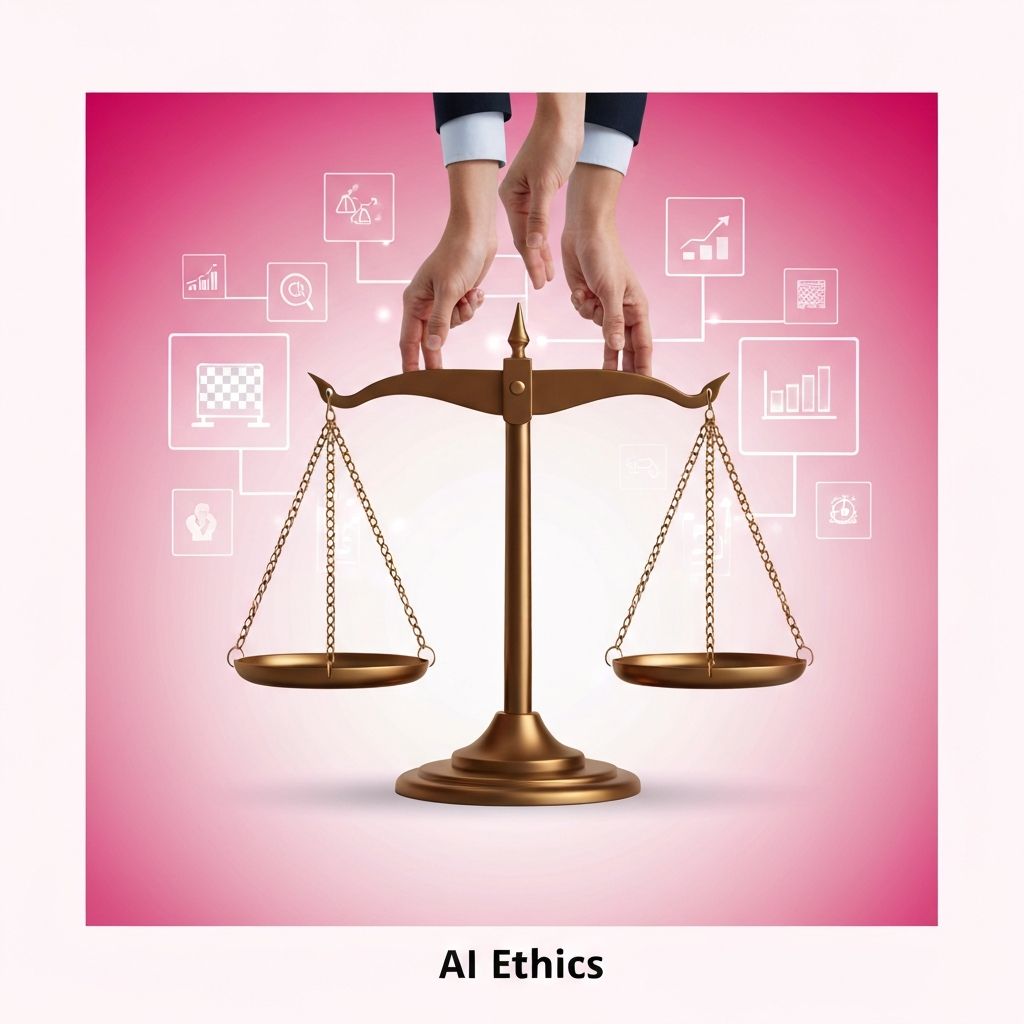
With great power comes great responsibility—and few technologies wield more power than artificial intelligence. As AI systems make decisions that affect hiring, lending, healthcare, criminal justice, and countless other domains, the ethical implications of these systems demand our urgent attention. AI ethics isn't a philosophical luxury; it's a practical necessity that separates beneficial innovation from potentially harmful deployment.
Critical Reality
78% of consumers say they would stop using a company's services if they discovered its AI systems exhibited bias or privacy violations. Ethical AI isn't optional—it's a business imperative.
The Foundations of AI Ethics
AI ethics rests on several interconnected principles that guide responsible development and deployment. Fairness demands that AI systems treat all individuals and groups equitably, free from discriminatory bias based on race, gender, age, or other protected characteristics. This principle challenges us to examine not just the outputs of our systems, but the data and assumptions that inform them.
Transparency requires that we can explain how AI systems make decisions, particularly when those decisions significantly impact people's lives. The "black box" problem—where even creators cannot fully explain an AI model's reasoning—poses serious ethical challenges. Stakeholders deserve to understand the basis for decisions that affect them, whether it's a loan denial, a medical diagnosis, or a job application rejection.
Privacy and data protection form another critical pillar. AI systems are voracious consumers of data, but that data often contains sensitive personal information. Ethical AI development requires robust safeguards for data collection, storage, and use, ensuring that individuals maintain control over their personal information and that data is only used for its intended purposes.
Accountability: Who's Responsible?
One of the most complex ethical questions in AI concerns accountability. When an AI system makes a mistake—whether it's an autonomous vehicle accident, a biased hiring decision, or a medical misdiagnosis— who bears responsibility? The developer who created the algorithm? The company that deployed it? The user who relied on its recommendations? Or the AI system itself?
Establishing clear accountability frameworks is essential for ethical AI deployment. Organizations must define roles and responsibilities throughout the AI lifecycle, from development and testing through deployment and monitoring. This includes establishing oversight mechanisms, creating clear escalation paths for ethical concerns, and ensuring that humans remain in the decision-making loop for high-stakes applications.
Transparency
Clear explanations of how AI systems make decisions and what data they use.
Fairness
Equitable treatment across all demographics without bias or discrimination.
Privacy
Robust protection of personal data and individual rights.
Bias: The Hidden Challenge
Perhaps no ethical challenge in AI has received more attention than bias. AI systems learn from historical data, and when that data reflects societal biases—whether in hiring practices, lending decisions, or criminal sentencing—the AI perpetuates and potentially amplifies those biases. The problem is particularly insidious because AI systems often appear objective and neutral, lending an air of authority to biased outcomes.
Addressing bias requires vigilance throughout the AI development lifecycle. It starts with diverse, representative training data and includes careful model design, rigorous testing across demographic groups, and ongoing monitoring after deployment. It also demands diverse development teams who can identify potential biases that might not be apparent to homogeneous groups.
Importantly, bias mitigation is not a one-time fix but an ongoing commitment. As society evolves and new edge cases emerge, AI systems must be continuously evaluated and refined to ensure they remain fair and equitable across all populations they serve.
Building Ethical AI Organizations
Creating ethical AI systems requires more than technical solutions—it demands organizational commitment. Leading organizations establish AI ethics boards with diverse representation, create clear ethical guidelines and review processes, and empower employees to raise concerns without fear of retaliation. They invest in ongoing ethics training and make ethical considerations a core part of their AI development process, not an afterthought.
Ethical AI development also requires external engagement. Organizations should seek input from affected communities, collaborate with ethicists and domain experts, and remain transparent about their AI systems' capabilities and limitations. This external accountability helps ensure that AI systems serve the broader good rather than just narrow corporate interests.
The path to ethical AI is not always clear, and difficult tradeoffs are inevitable. Transparency might conflict with privacy, fairness might reduce accuracy, and accountability mechanisms might slow innovation. Navigating these tensions requires wisdom, humility, and an unwavering commitment to putting human welfare at the center of AI development. When organizations embrace ethics as a competitive advantage rather than a constraint, they build AI systems that are not only powerful but also trustworthy—the key to sustainable AI adoption.
Need guidance on building ethical AI systems? Our AI consulting services help organizations develop robust ethical frameworks and governance structures for responsible AI implementation.